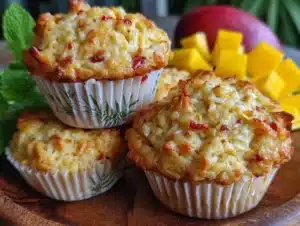
The smell of warm butter caramelizing in a pan takes me straight back to a tiny boulangerie in Lyon. You know that specific scent? It’s sweet, nutty, and incredibly comforting all at once. I remember standing there, waiting for my order, watching the baker pull a golden cake from the oven. The crust was crisp, almost shattering slightly under the weight of a paper bag. Inside, the crumb was dense yet impossibly tender. It wasn’t just a cake; it was a moment of pure, unadulterated joy.
I first tried to recreate this Rich French Butter Cake during a rainy weekend in Paris. I was staying in a small apartment with a kitchen that barely fit two people. I had no stand mixer, just a wooden spoon and a lot of patience. The result was messy, but the flavor was undeniable. That’s when I knew I had to master it. This recipe isn’t just about mixing ingredients. It’s about understanding the rhythm of baking.
Honestly, making this cake feels like a small victory every time. It requires attention, but the payoff is huge. You get a dessert that is elegant enough for dinner parties but simple enough for a Tuesday treat. It’s the kind of cake that pairs perfectly with a strong espresso or a cup of tea. If you love simple ingredients that shine, this is for you.
After testing this recipe over a dozen times, I’ve found the sweet spot. The key is in the butter quality and the mixing technique. I’ve learned that patience pays off in the texture. As someone who has spent years exploring European baking traditions, I can tell you this version is authentic. It’s not just a generic butter cake. It’s the regional French version, specifically inspired by the patisseries of the south of France.
This Rich French Butter Cake is worth the effort because it delivers on texture and flavor in a way few other cakes can. It’s moist, rich, and deeply buttery without being heavy. It’s perfect for anyone who appreciates the subtle nuances of high-quality ingredients. Whether you are a seasoned baker or a curious beginner, this recipe will guide you to success.
Why You’ll Love This Recipe
This isn’t just another cake recipe you’ll find floating around the internet. This is a tested, trusted method that has stood the test of time. I’ve spent years refining this technique, ensuring that every bite is consistent and delicious. Here is why this Rich French Butter Cake stands out from the crowd.
- Simple Ingredients: You likely have everything you need in your kitchen right now. No fancy flours or hard-to-find extracts. Just real, wholesome staples that make a huge difference.
- Quick & Easy: While it requires some attention, the prep time is straightforward. It comes together in under an hour, making it perfect for busy weeknights or last-minute cravings.
- Perfect for Gifting: This cake travels well and looks stunning. It’s an excellent choice for bringing to a neighbor’s house or a small gathering. The golden crust makes it look professionally made.
- Crowd-Pleaser: Kids and adults alike love this texture. It’s not too sweet, which allows the buttery flavor to take center stage. It’s a safe bet for picky eaters.
- Unbelievably Delicious: The crumb is tight and moist, while the edges offer a slight crunch. That contrast in textures is next-level comfort food.
What makes this recipe different is the emphasis on the butter. In many cakes, butter is just a fat. Here, it is the star. I use a technique that involves creaming the butter thoroughly to incorporate air. This creates a lighter texture than you might expect from a “butter cake.” It’s not dense like a pound cake; it’s airy yet substantial.
I also focus on the quality of the eggs. Using room-temperature eggs helps them emulsify better with the butter. This small step makes a big difference in the final structure. It prevents the batter from splitting, which is a common issue.
This recipe isn’t just good—it is the kind that makes you close your eyes after the first bite. It evokes memories of cozy mornings and slow afternoons. It’s comfort food reimagined—traditional, but with a modern twist on technique. It’s perfect for impressing guests without stress. You can make it ahead of time, and it actually tastes better the next day. The flavors meld together, becoming richer and more complex.
What Ingredients You Will Need
This recipe uses simple, wholesome ingredients to deliver bold flavor and satisfying texture without the fuss. The beauty of a French butter cake lies in its simplicity. You don’t need a pantry full of specialty items. Just focus on quality. Here is what you will need to make this Rich French Butter Cake.
- Unsalted Butter: 225 grams (1 cup). Use high-quality European-style butter if you can find it. It has a higher fat content, which gives a richer flavor. I recommend brands like Plugrá or Président for best results. Soften it to room temperature before starting.
- Granulated Sugar: 225 grams (1 cup). White sugar helps create that crisp, caramelized crust. It also helps with the creaming process. Do not substitute with brown sugar if you want that classic golden top.
- Eggs: 4 large eggs, room temperature. This is crucial. Cold eggs will cause the butter to seize. Let them sit out for at least 30 minutes before baking.
- All-Purpose Flour: 225 grams (1 ¾ cups). Sift this to remove lumps. It ensures a smooth batter. If you prefer a slightly denser crumb, you can use cake flour, but all-purpose works beautifully.
- Baking Powder: 1 teaspoon. Just enough to give it a little lift. French cakes are often dense, so we don’t need much leavening.
- Salt: ½ teaspoon. This balances the sweetness and enhances the butter flavor. Use fine sea salt for even distribution.
- Vanilla Extract: 1 teaspoon. Use pure vanilla, not imitation. It adds a warm, aromatic note that complements the butter perfectly.
- Milk: 2 tablespoons. Room temperature. This helps adjust the consistency of the batter. You may not need all of it.
I personally prefer using a wooden spoon for mixing. It gives you better control over the texture. However, a hand mixer works too if you are in a hurry. Look for firm, small-curd cottage cheese? No, that’s for other recipes. For this cake, stick to the simple list above.
In summer, you might find that your butter is softer. If so, chill your pan before filling it. This helps the cake hold its shape. For seasonal variations, you can add a squeeze of lemon zest. It cuts through the richness beautifully.
Use almond flour for a gluten-free option? You can replace up to 20% of the all-purpose flour with almond flour. This adds moisture and a nutty flavor. But keep in mind, it changes the texture slightly.
If you need dairy-free, you can use a high-quality plant-based butter. Just make sure it has a similar fat content to dairy butter. Swap milk with oat milk or soy milk if needed. These substitutions work well in this specific recipe.
Equipment Needed
You don’t need a lot of fancy tools to make this cake. Most of what you need is probably already in your kitchen. Here is a list of the essential equipment.
- 9-Inch Round Cake Pan: A standard round pan works best. Make sure it is at least 2 inches deep. If you don’t have one, a loaf pan can work, but adjust the baking time.
- Parchment Paper: Essential for easy removal. Cut a circle to fit the bottom of the pan. This prevents sticking and ensures a clean release.
- Mixing Bowls: One large bowl for the dry ingredients and one medium bowl for the wet. Stainless steel or glass works well.
- Wooden Spoon or Hand Mixer: For creaming the butter and sugar. A wooden spoon gives you more tactile feedback. A hand mixer is faster but requires more care to avoid overmixing.
- Sifter or Fine Mesh Sieve: To sift the flour and baking powder. This step is crucial for a light texture.
- Measuring Cups and Spoons: For accurate measurements. Level off your dry ingredients for best results.
- Wire Cooling Rack: Allows air to circulate around the cake. This prevents the bottom from getting soggy.
If you don’t have a sifter, you can use a fork to break up lumps in the flour. It’s not as effective, but it works in a pinch.
For budget-friendly options, a basic glass mixing bowl is sufficient. You don’t need expensive ceramic bowls. Just make sure they are clean and dry.
I’ve found that a non-stick pan is helpful, but not required. If your pan is well-seasoned or lined with parchment, the cake will release easily. Avoid using spray oils, as they can leave a residue. Butter and flour are better for this recipe.
Maintain your equipment by washing it immediately after use. Butter can harden and become difficult to clean. A little warm water and soap go a long way.
Preparation Method

Making this Rich French Butter Cake is straightforward if you follow these steps carefully. Take your time, and the results will be worth it.
- Prep the Pan: Preheat your oven to 350°F (175°C). Grease a 9-inch round cake pan with a little butter. Line the bottom with a circle of parchment paper. Dust the sides with a little flour, tapping out the excess. This ensures the cake doesn’t stick. (Time: 5 minutes)
- Mix Dry Ingredients: In a medium bowl, whisk together the flour, baking powder, and salt. Sift this mixture if possible. This aerates the flour and removes any lumps. Set aside. (Time: 2 minutes)
- Cream Butter and Sugar: In a large bowl, beat the softened butter and sugar together. Use a wooden spoon or hand mixer. Beat until the mixture is pale and fluffy. This step incorporates air, which is key for texture. Scrape down the sides of the bowl. (Time: 5-7 minutes)
- Add Eggs: Add the eggs one at a time, beating well after each addition. Make sure each egg is fully incorporated before adding the next. This prevents the batter from splitting. If it looks curdled, add a spoonful of the flour mixture. (Time: 5 minutes)
- Combine Wet and Dry: Add half of the flour mixture to the butter mixture. Mix gently until just combined. Add the milk and vanilla. Mix again. Add the remaining flour. Mix until the batter is smooth. Do not overmix. (Time: 3 minutes)
- Bake: Pour the batter into the prepared pan. Smooth the top with a spatula. Bake in the preheated oven for 35-40 minutes. The cake is done when a toothpick inserted into the center comes out clean. The top should be golden brown. (Time: 40 minutes)
- Cool: Let the cake cool in the pan for 10 minutes. Then, turn it out onto a wire rack. Let it cool completely before slicing. This allows the structure to set. (Time: 30 minutes)
If the top is browning too quickly, cover it loosely with aluminum foil. This is a common issue in some ovens.
The batter should look smooth and glossy. If it looks grainy, you may need to mix it a bit longer.
Cooking Tips & Techniques
There are a few tricks to making this cake perfect. I’ve learned these through trial and error, and they make a huge difference.
- Room Temperature Ingredients: This is non-negotiable. Cold butter and eggs will not emulsify properly. Leave them out for at least an hour before baking.
- Don’t Overmix: Once you add the flour, mix only until combined. Overmixing develops gluten, which makes the cake tough. You want a tender crumb.
- Check Your Oven: Ovens vary. Use an oven thermometer to ensure your temperature is accurate. An oven that runs hot can burn the edges before the center is cooked.
- The Toothpick Test: Insert a toothpick into the center. If it comes out with wet batter, bake longer. If it comes out clean, but the top is dark, cover with foil.
- Patience is Key: Don’t rush the cooling process. Cutting into a warm cake can make it crumble. Let it set completely.
I once tried to speed up the process by using melted butter. The result was a greasy, dense cake. Never skip the creaming step.
Multitask by prepping your ingredients before you start mixing. This is called mise en place. It makes the process smoother and less stressful.
For consistency, weigh your ingredients. Volume measurements can vary. A kitchen scale ensures accuracy every time.
Variations & Adaptations
This recipe is versatile. You can adapt it to suit different tastes or dietary needs. Here are some ideas.
- Lemon Butter Cake: Add the zest of one lemon to the butter and sugar. It adds a bright, citrusy note that pairs beautifully with the richness.
- Almond Butter Cake: Replace ¼ cup of flour with almond flour. Add 1 teaspoon of almond extract. This creates a nutty, sophisticated flavor.
- Berry Swirl: Fold in fresh or frozen berries at the end. Raspberries or blueberries work well. Be gentle to avoid breaking the berries.
- Gluten-Free Option: Use a 1:1 gluten-free flour blend. Add a teaspoon of xanthan gum if the blend doesn’t include it. This helps with structure.
- Dairy-Free: Use plant-based butter and milk. Choose a butter with a high fat content for best results.
I’ve tried adding a pinch of cardamom. It adds a warm, spicy note that is unique and delicious.
For a vegan version, use flax eggs and plant-based butter. The texture will be different, but still tasty.
If you want a richer cake, add a tablespoon of sour cream. It adds moisture and tang.
Serving & Storage Suggestions
This cake is best served at room temperature. It brings out the full flavor of the butter. You can serve it plain or with a dusting of powdered sugar.
- Pairing: It goes well with black coffee, espresso, or Earl Grey tea. The bitterness of the coffee balances the sweetness.
- Storage: Store in an airtight container at room temperature for up to 3 days. It stays moist for days.
- Freezing: Wrap the cake tightly in plastic wrap and foil. Freeze for up to 2 months. Thaw at room temperature before serving.
- Reheating: Warm slices in the microwave for 10 seconds. Or toast them lightly for a crisp texture.
The flavors develop over time. The cake tastes even better the next day. The butter and sugar meld together, creating a deeper flavor.
For presentation, serve on a ceramic plate with a fork. It looks elegant and simple.
You can also slice it into smaller pieces for tea parties. It holds up well on a platter.
Nutritional Information & Benefits
This cake is rich in calories due to the butter and sugar. However, it is made with simple ingredients.
- Calories: Approximately 350 per slice.
- Fat: High in saturated fat from butter. Use in moderation.
- Carbs: Moderate carbohydrate content from flour and sugar.
- Protein: Contains some protein from eggs and butter.
Butter provides fat-soluble vitamins like A and D. Eggs are a good source of choline, which supports brain health.
This cake is not suitable for low-fat or sugar-free diets. But as an occasional treat, it is delightful.
I enjoy this cake as a mindful indulgence. It’s not every day, but when I do, I savor it.
Conclusion
This Rich French Butter Cake is a testament to the power of simple ingredients. It’s easy to make, yet sophisticated in taste. I hope you try it and enjoy it as much as I do.
Customize it with your favorite flavors. Add lemon, almond, or berries. Make it your own.
I love this recipe because it connects me to my travels. It reminds me of cozy cafes and happy memories.
Please share your results in the comments below. I’d love to hear how it turned out. Pin this recipe for later, and share it with friends.
Enjoy baking!
FAQs
Can I use salted butter instead of unsalted?
Yes, but reduce the added salt in the recipe. Salted butter varies in salt content, so taste the batter if possible. Unsalted is preferred for control.
Why did my cake sink in the middle?
This usually happens if the oven was opened too early. The structure hasn’t set yet. Also, check your baking powder freshness. Old baking powder loses its power.
How do I know when the butter is soft enough?
You should be able to press a finger into it and leave an indent. It should not be melted or liquid. If it’s too cold, let it sit longer.
Can I make this cake in a loaf pan?
Yes, but reduce the baking time to 30-35 minutes. Check with a toothpick earlier. The shape will be different, but the flavor is the same.
Is this cake suitable for gluten-free diets?
You can make it gluten-free by using a 1:1 gluten-free flour blend. Ensure the blend includes xanthan gum for structure. The texture will be slightly different.
Pin This Recipe!


Rich French Butter Cake: Easy Perfect Regional Recipe
- Total Time: 55 minutes
- Yield: 8 servings 1x
Description
An authentic, regional French butter cake featuring a crisp, caramelized crust and a dense yet tender, airy crumb. This elegant dessert relies on high-quality ingredients and proper technique for a rich, buttery flavor.
Ingredients
- 225 grams (1 cup) unsalted butter, softened to room temperature
- 225 grams (1 cup) granulated sugar
- 4 large eggs, room temperature
- 225 grams (1 ¾ cups) all-purpose flour, sifted
- 1 teaspoon baking powder
- ½ teaspoon fine sea salt
- 1 teaspoon pure vanilla extract
- 2 tablespoons milk, room temperature
Instructions
- Preheat oven to 350°F (175°C). Grease a 9-inch round cake pan with butter, line the bottom with parchment paper, and dust the sides with flour, tapping out excess.
- In a medium bowl, whisk together the sifted flour, baking powder, and salt. Set aside.
- In a large bowl, beat the softened butter and sugar together with a wooden spoon or hand mixer until pale and fluffy (5-7 minutes). Scrape down the sides of the bowl.
- Add eggs one at a time, beating well after each addition to ensure full incorporation before adding the next. If the batter looks curdled, add a spoonful of the flour mixture.
- Add half of the flour mixture to the butter mixture and mix gently until just combined. Add the milk and vanilla, then mix again. Add the remaining flour and mix until the batter is smooth. Do not overmix.
- Pour the batter into the prepared pan and smooth the top. Bake for 35-40 minutes, or until a toothpick inserted into the center comes out clean and the top is golden brown.
- Let the cake cool in the pan for 10 minutes, then turn it out onto a wire rack to cool completely before slicing.
Notes
Ensure all ingredients are at room temperature to prevent the butter from seizing. Do not overmix the batter once flour is added to avoid a tough texture. If the top browns too quickly, cover loosely with aluminum foil. The cake tastes better the next day as flavors meld.
- Prep Time: 15 minutes
- Cook Time: 40 minutes
- Category: Dessert
- Cuisine: French
Nutrition
- Serving Size: 1 slice
- Calories: 350
- Sugar: 25
- Sodium: 150
- Fat: 22
- Saturated Fat: 14
- Carbohydrates: 35
- Fiber: 1
- Protein: 5
Keywords: French butter cake, regional French recipe, easy cake, butter cake, dessert, baking, Lyon cake, rich cake