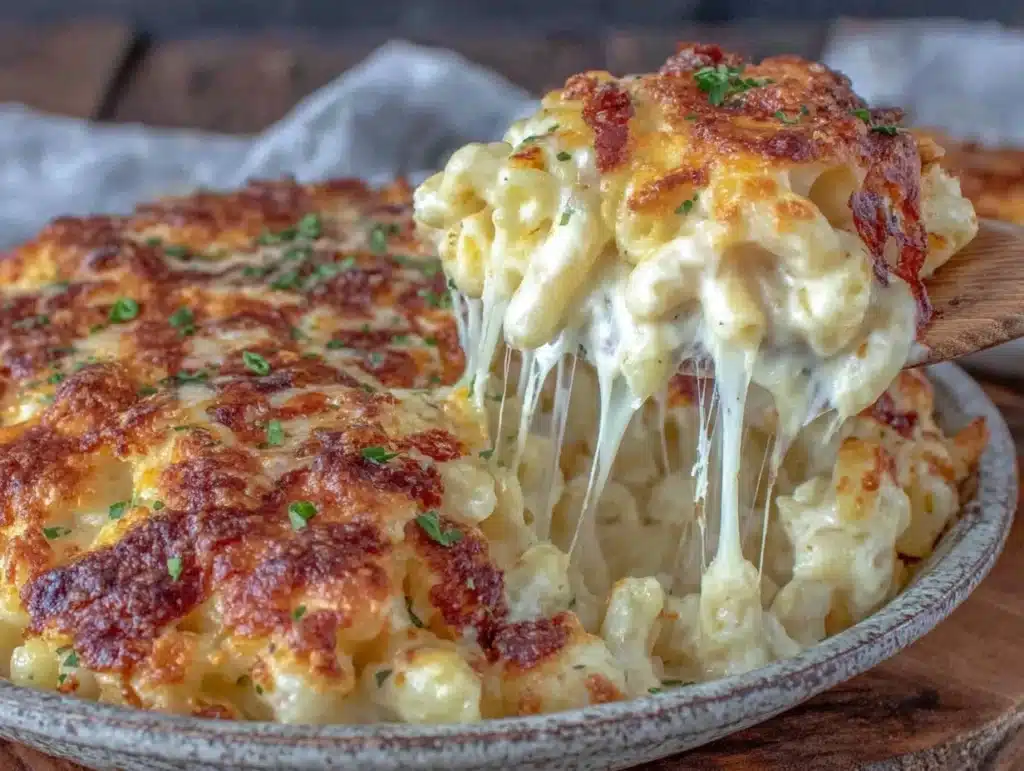
The smell of warm, bubbling cheese sauce hitting the oven heat takes me right back to my grandmother’s kitchen in Chicago. It’s a specific, buttery aroma that feels like a hug. I remember standing on a step stool, watching her stir a roux that was thicker than mud but tasted like heaven. We didn’t have fancy ingredients back then. Just sharp cheddar, elbow macaroni, and a whole lot of patience. Honestly, I used to think baked mac and cheese was just a sideshow to Thanksgiving dinner. It was safe. It was predictable. It was boring.
Then, I had a slice of it at a tiny diner in Nashville. It had a crispy, golden breadcrumb crust. The inside was creamy enough to drown a spoon in. That was the moment I realized I’d been doing it wrong for years. I wasn’t making “mac and cheese.” I was making hot pasta with cheese water. This recipe changes that. It’s the best baked mac and cheese because it balances texture and flavor perfectly. You get the crunch, the creaminess, and that sharp, tangy cheese punch in every single bite.
I’ve tested this recipe over a dozen times. Some batches were too dry. Others were soupy messes that collapsed when you tried to plate them. But this version? It holds its structure. It’s rich without being heavy. It’s the kind of dish you serve to impress in-laws or comfort a crying friend. If you love comfort food that actually delivers on its promise, this is your new go-to. Let’s face it, life is hard. Your dinner should be easy and delicious.
Why You’ll Love This Recipe
After years of tweaking ratios and tasting endless pots of pasta, I can confidently say this is the gold standard. It’s not just another version of a classic. It’s the best version. I’ve shared this with picky eaters who claim they “don’t like cheese” and they ask for seconds. That’s rare. Here is why this recipe stands out from the crowd.
- Quick & Easy Prep: Most of the work happens in under 20 minutes before baking. You can have this on the table in an hour, even if you’re tired after work.
- Simple Ingredients: You likely have the base ingredients in your pantry. Butter, flour, milk, and pasta are staples. The magic is in the technique, not rare spices.
- Perfect for Family Dinners: Kids love the comfort of pasta. Adults love the sophistication of a homemade béchamel sauce. It bridges the gap.
- Crowd-Pleaser: It’s always a hit at potlucks. People bring empty dishes back to you. It travels well and reheats beautifully.
- Unbelievably Delicious: The texture combo is next-level. You get the snap of the crust and the velvet of the sauce. It’s comfort food reimagined.
What makes this different? It’s the double-cheese strategy. We use sharp cheddar for flavor and Gruyère for meltability. Most recipes just use cheddar, which can get grainy or oily. Gruyère keeps the sauce smooth. Also, we par-cook the pasta. This prevents it from getting mushy in the oven. It’s a small detail that makes a huge difference. This isn’t just food. It’s a memory you create. It’s the kind of meal that makes you close your eyes after the first bite.
What Ingredients You Will Need
This recipe uses simple, wholesome ingredients to deliver bold flavor and satisfying texture without the fuss. The key is quality. Since there are only a few components, each one matters. I recommend buying block cheese and grating it yourself. Pre-shredded cheese has anti-caking agents that stop it from melting smoothly. You want a silky sauce, not a clumpy one.
- Elbow Macaroni (1 pound): The classic shape holds sauce well. Penne works too, but elbows are traditional. Look for high-quality durum wheat pasta for better texture.
- Unsalted Butter (1/2 cup): We use a full half cup for the roux. It adds richness and helps create that golden crust later. I prefer European-style butter for higher fat content.
- All-Purpose Flour (1/2 cup): This thickens the sauce. Don’t skip this. It creates the béchamel base that holds the cheese.
- Whole Milk (4 cups): Use whole milk for the creamiest result. Skim milk will make the sauce feel thin and watery. Room temperature milk incorporates easier.
- Sharp Cheddar Cheese (3 cups, shredded): This provides the sharp, tangy flavor. Buy a block and grate it finely. Aged cheddar works best here.
- Gruyère Cheese (2 cups, shredded): This is the secret weapon. It melts beautifully and adds a nutty depth. It prevents the sauce from breaking.
- Dijon Mustard (1 tablespoon): It sounds weird, but it boosts the cheese flavor without making it taste like mustard. It cuts through the richness.
- Garlic Powder (1 teaspoon): Adds a subtle background note. Fresh garlic can burn in the roux, so powder is safer and more consistent.
- Smoked Paprika (1 teaspoon): Adds a hint of smoke and color. It mimics that “grilled” flavor we love.
- Garlic Panko Breadcrumbs (1 cup): For the topping. Mix with melted butter for crunch. Panko stays crispier than regular breadcrumbs.
- Salt and Black Pepper: To taste. Season the sauce well before adding cheese, as the cheese adds saltiness too.
If you need a substitute, you can use Fontina instead of Gruyère. It melts similarly. For a gluten-free option, use a 1:1 gluten-free flour blend and gluten-free pasta. Just keep an eye on the cooking time for the pasta, as GF pasta can get soft fast.
Equipment Needed
You don’t need fancy gadgets for this. A few basic tools will get you a restaurant-quality result. The most important item is a large heavy-bottomed saucepan. This prevents the milk from scorching on the bottom while you whisk. If you don’t have one, use a stainless steel pot. Avoid non-stick for the roux, as you want to see the butter bubbling clearly.
A large baking dish is essential. A 9×13 inch dish works best. It gives the macaroni enough surface area to form a good crust. If your dish is too small, the layers will be too thick and won’t cook evenly. If it’s too big, the sauce will spread too thin and dry out.
A box grater is your friend here. I know it’s tedious, but hand-grating cheese ensures uniform pieces. Uniform pieces melt evenly. A food processor can shred cheese, but it often turns it into a paste if you’re not careful. Just take your time.
Finally, a good whisk is non-negotiable. You need to break up lumps in the roux and the sauce. A silicone spatula helps scrape the sides of the pot. These are common kitchen items, so you probably already have everything you need. No special trips to the store required.
How do I get the best crust?
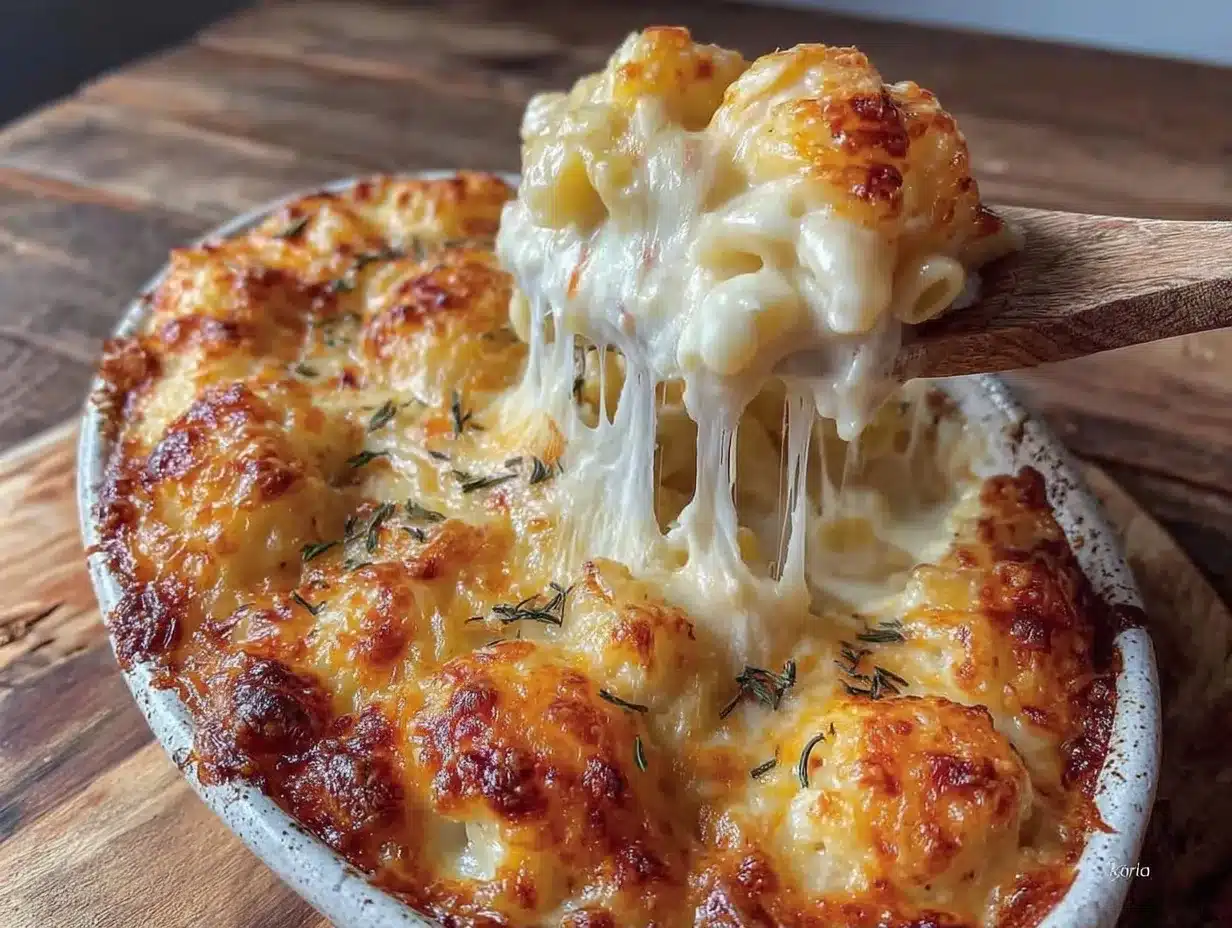
The secret is the breadcrumb mix. Toast your panko in butter before sprinkling it on top. This ensures it stays crunchy even when it sits on the hot cheese sauce. Don’t skip this step. It adds a layer of texture that defines the “best” baked mac and cheese.
Preparation Method
Let’s get into the nitty-gritty. This process is straightforward, but timing is everything. We want the pasta al dente and the sauce velvety smooth. Follow these steps closely for the best results.
- Boil the Pasta: Bring a large pot of salted water to a boil. Add the elbow macaroni. Cook it for 2 minutes less than the package instructions say. It should be firm to the bite. This is crucial because it will cook more in the oven. Drain the pasta and rinse it with cool water to stop the cooking. Toss it with a little oil to prevent sticking. (Time: 10 minutes)
- Make the Roux: In your heavy-bottomed saucepan, melt the butter over medium heat. Once it foams, add the flour. Whisk constantly for about 2 minutes. You want it to turn a light golden color and smell nutty. Do not let it burn. This cooks out the raw flour taste. (Time: 3 minutes)
- Create the Béchamel: Slowly pour in the milk, a little at a time, while whisking vigorously. If you pour it all at once, you’ll get lumps. Keep whisking until the mixture thickens and coats the back of a spoon. This should take about 5-7 minutes. Season with salt, pepper, garlic powder, and smoked paprika. (Time: 7 minutes)
- Melt the Cheese: Remove the pot from the heat. This is important. If the sauce is too hot, the cheese will separate into oil and clumps. Let it cool for 1 minute. Stir in the Dijon mustard. Then, gradually add the cheddar and Gruyère cheese. Stir until fully melted and smooth. (Time: 3 minutes)
- Combine: Add the cooked pasta to the cheese sauce. Stir gently to coat every noodle. The sauce should cling to the pasta, not pool at the bottom. If it looks too thick, add a splash of milk. If too thin, add a bit more cheese. (Time: 2 minutes)
- Prepare the Topping: Preheat your oven to 350°F (175°C). In a small bowl, mix the panko breadcrumbs with melted butter and a pinch of salt. You want the crumbs to look like wet sand. (Time: 1 minute)
- Assemble: Pour the pasta and cheese mixture into your prepared baking dish. Spread it out evenly. Sprinkle the breadcrumb mixture over the top. Press it down gently so it sticks. (Time: 2 minutes)
- Bake: Place the dish in the oven. Bake for 25-30 minutes. You want the top to be golden brown and bubbling. If the top browns too fast, cover it loosely with foil for the last 10 minutes. (Time: 30 minutes)
- Rest: Take it out of the oven. Let it sit for 10 minutes before serving. This allows the sauce to set slightly. If you cut into it immediately, it will be soupy. Resting makes it sliceable. (Time: 10 minutes)
Total active time is about 25 minutes. Total cook time is about 55 minutes. It’s worth the wait. The sensory cues are key. The sauce should smell nutty and sharp. The crust should snap when you press it. The inside should be creamy and hot.
Cooking Tips & Techniques
I’ve made my fair share of mistakes in the kitchen. I’ve had cheese sauces that separated into oily pools. I’ve had pasta that turned into mush. Here is how to avoid those pitfalls. The biggest mistake people make is using low-quality cheese. Don’t buy the bagged stuff. It has cellulose in it. That stuff doesn’t melt. It just sits there. Buy a block of cheddar and a wedge of Gruyère. Grate them yourself. It takes 10 minutes, but the difference is night and day.
Another common error is overheating the cheese. Once your béchamel is ready, take it off the burner. Add the cheese off the heat. High heat breaks the emulsion. You want gentle warmth to melt the cheese. If your sauce looks grainy, you cooked it too hot. Start over if you have to. It’s better to fix it now than serve a broken sauce.
Par-cooking the pasta is non-negotiable. If you cook it fully in the boiling water, it will absorb all the sauce in the oven and become dry. Leave it firm. The oven will finish the job. Also, don’t skip the resting time. I know you want to eat it now. But patience pays off. The sauce thickens as it cools slightly. This gives you clean slices instead of a sliding mess.
For consistency, use a kitchen scale for the flour and butter if you can. Volume measurements can vary. But if you don’t have a scale, be generous with your whisking. Air is your friend in a roux. Whisking incorporates air and prevents lumps. Also, taste your sauce before adding the pasta. It should taste slightly too salty. The pasta and cheese will dilute the seasoning. Adjust accordingly.
Finally, keep an eye on your oven. Ovens vary. One oven might run hot, another might run cold. Check the crust color at the 20-minute mark. If it’s golden, it’s done. If it’s pale, give it more time. Trust your eyes, not just the timer.
Can I make this ahead of time?
Yes, you can assemble it the night before. Cover it tightly and refrigerate. When you’re ready to bake, add 10-15 minutes to the baking time since it’s cold. The texture might be slightly denser, but it still tastes great.
Variations & Adaptations
While the classic version is my favorite, there are fun ways to twist this recipe. Here are a few variations I’ve tried that work well.
- Broccoli Cheddar: Add 2 cups of steamed broccoli florets to the pasta before baking. The bitterness of the broccoli cuts through the rich cheese. It’s a healthy addition that kids often accept if the cheese is strong enough.
- Spicy Jalapeño: Add diced jalapeños to the sauce. Use pepper jack cheese instead of half the cheddar. This adds a kick that wakes up your palate. Great for game day.
- Truffle Mushroom: Sauté mushrooms in butter until browned. Add them to the mix. Swap some of the Gruyère for black truffle parmesan. It’s fancy and earthy. Perfect for a dinner party.
- Vegan Option: Use vegan butter and milk. Use vegan shredded cheese, but know that melting behavior varies. Cashew-based sauces work better than soy-based ones for creaminess. It’s not the same, but it’s close.
- Seafood Mac: Add lump crab meat or smoked salmon flakes. This turns it into a main course. The richness pairs well with the sharp cheddar.
I once tried adding bacon bits. They got soggy. Instead, I cook the bacon separately and sprinkle it on top right before serving. That way, you get the crunch. Customizing is part of the fun. Find what works for your taste buds. If you like it spicy, add cayenne. If you like it mild, use mild cheddar.
What if I don’t have Gruyère?
You can use Fontina or Monterey Jack. They melt well. The flavor will be milder, so add a bit more sharp cheddar or a dash of mustard to compensate. It won’t be identical, but it will still be delicious.
Serving & Storage Suggestions
Serve this hot, right out of the oven. It pairs well with a simple green salad with a vinaigrette. The acidity cuts the richness. I also like it with roasted asparagus or grilled chicken. It’s a hearty dish, so keep sides light.
For storage, let it cool completely. Cover it tightly with plastic wrap or foil. It will last in the fridge for up to 4 days. The flavors actually get better on day two. The pasta absorbs more sauce, becoming creamier.
To reheat, add a splash of milk to loosen the sauce. Cover with foil and bake at 350°F until heated through. You can also reheat individual portions in the microwave. Add a little water to the bowl to create steam. This prevents the pasta from drying out.
Freezing is possible but not ideal. The sauce can separate upon thawing. If you must freeze it, thaw it in the fridge overnight and reheat slowly on the stove, stirring in fresh milk. It won’t be as perfect as fresh, but it’s edible. For best results, eat it fresh or within a few days.
Does it freeze well?
It’s better fresh. Freezing can change the texture of the cheese sauce, making it grainy. If you freeze it, stir in a little fresh cream when reheating to restore smoothness.
Nutritional Information & Benefits
This dish is rich in calories and fat, so enjoy it in moderation. One serving contains about 600-700 calories. It’s high in calcium from the cheese, which is good for bone health. It also provides protein from the dairy and pasta.
However, it’s low in fiber and vitamins unless you add vegetables. That’s why I suggest pairing it with a salad. The pasta provides carbohydrates for energy. The butter adds flavor but also saturated fat. If you are watching your intake, use a lighter milk and less butter. But honestly, sometimes you just want the real deal. This recipe is a treat. Enjoy it as a special comfort meal.
Is this recipe gluten-free?
Not by default. It contains wheat in the pasta and flour. But you can easily make it gluten-free by using GF pasta and GF flour. The technique remains the same.
Conclusion
This best baked mac and cheese recipe is more than just pasta. It’s a lesson in patience and quality. It teaches you that simple ingredients, when treated with respect, can create something magical. I hope you try this recipe. I hope you grate your own cheese. I hope you let it rest. And I hope you share it with people you love.
Feel free to tweak it. Add your favorite veggies. Swap the cheeses. Make it your own. Cooking is about experimentation. But start with this base. You’ll see why it’s a classic for a reason. If you make it, let me know how it turned out. Leave a comment below. Share your photos. I love seeing your creations.
Happy cooking! May your kitchen always smell like butter and cheese. And may your crust always be golden. This is comfort food at its finest. Enjoy every bite.
Frequently Asked Questions
Why is my mac and cheese soupy?
This usually happens if the pasta absorbs too much sauce or if the roux wasn’t cooked long enough. Make sure to par-cook the pasta. Also, ensure your béchamel thickens properly before adding cheese. Let the baked dish rest for 10 minutes before serving to allow the sauce to set.
Can I use pre-shredded cheese?
I don’t recommend it. Pre-shredded cheese contains cellulose to prevent clumping, which stops it from melting smoothly. You’ll end up with a grainy sauce. Buy a block and grate it yourself for the best texture.
How do I keep the crust from burning?
Keep an eye on the oven. If the top is browning too quickly, cover the dish loosely with aluminum foil for the last 10-15 minutes of baking. This lets the inside finish cooking without charring the top.
What is the best pasta shape for this?
Elbow macaroni is the traditional choice because it holds sauce well. Penne, cavatappi, or shells also work great. Avoid long pasta like spaghetti, as it doesn’t mix as easily with a thick cheese sauce.
Can I add meat to this recipe?
Absolutely. Cooked bacon, ham, or grilled chicken are excellent additions. Add them to the pasta mixture before baking. Just be aware that adding meat will increase the protein content and slightly change the cooking time.
Pin This Recipe!
Best Baked Mac And Cheese: Easy 6-Step Recipe
- Total Time: 55 minutes
- Yield: 8 servings 1x
Description
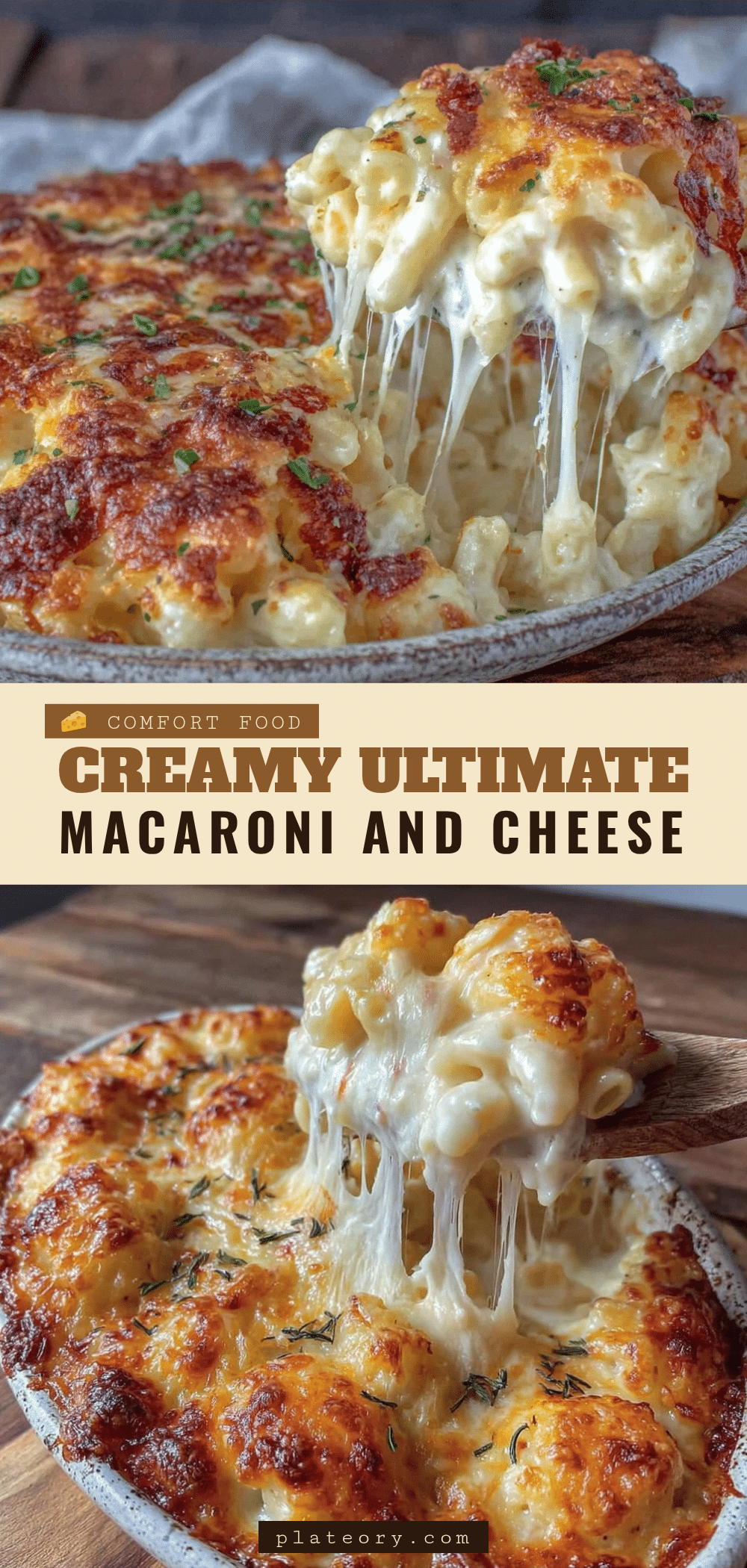
This is the ultimate baked mac and cheese recipe, featuring a creamy béchamel sauce made with sharp cheddar and Gruyère, topped with a crispy golden breadcrumb crust. It balances texture and flavor perfectly for a comforting, crowd-pleasing meal.
Ingredients
- 1 pound elbow macaroni
- 1/2 cup unsalted butter
- 1/2 cup all-purpose flour
- 4 cups whole milk
- 3 cups sharp cheddar cheese, shredded
- 2 cups Gruyère cheese, shredded
- 1 tablespoon Dijon mustard
- 1 teaspoon garlic powder
- 1 teaspoon smoked paprika
- 1 cup garlic panko breadcrumbs
- Salt and black pepper to taste
- 1 tablespoon melted butter (for topping)
Instructions
- Boil the pasta in salted water for 2 minutes less than package instructions until al dente. Drain, rinse with cool water, and toss with a little oil to prevent sticking.
- In a heavy-bottomed saucepan, melt the butter over medium heat. Add the flour and whisk constantly for about 2 minutes until light golden and nutty.
- Slowly pour in the milk while whisking vigorously until the mixture thickens and coats the back of a spoon (5-7 minutes). Season with salt, pepper, garlic powder, and smoked paprika.
- Remove the pot from heat and let cool for 1 minute. Stir in the Dijon mustard, then gradually add the cheddar and Gruyère cheese, stirring until fully melted and smooth.
- Add the cooked pasta to the cheese sauce and stir gently to coat every noodle.
- Preheat oven to 350°F (175°C). Mix panko breadcrumbs with melted butter and a pinch of salt.
- Pour the pasta and cheese mixture into a 9×13 inch baking dish. Sprinkle the breadcrumb mixture over the top and press gently.
- Bake for 25-30 minutes until the top is golden brown and bubbling. If browning too fast, cover loosely with foil for the last 10 minutes.
- Let the dish rest for 10 minutes before serving to allow the sauce to set.
Notes
For the best crust, toast the panko breadcrumbs in butter before sprinkling on top. Always grate cheese from a block rather than using pre-shredded cheese to ensure smooth melting. Par-cooking the pasta prevents it from becoming mushy in the oven. Let the dish rest for 10 minutes after baking to allow the sauce to thicken.
- Prep Time: 25 minutes
- Cook Time: 30 minutes
- Category: Side Dish
- Cuisine: American
Nutrition
- Serving Size: 1 serving
- Calories: 650
- Sugar: 6
- Sodium: 800
- Fat: 45
- Saturated Fat: 25
- Carbohydrates: 40
- Fiber: 2
- Protein: 25
Keywords: baked mac and cheese, comfort food, cheesy pasta, easy dinner, family friendly, best mac and cheese recipe