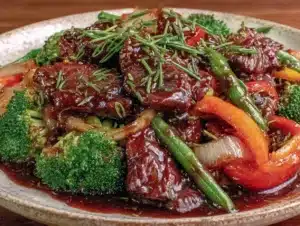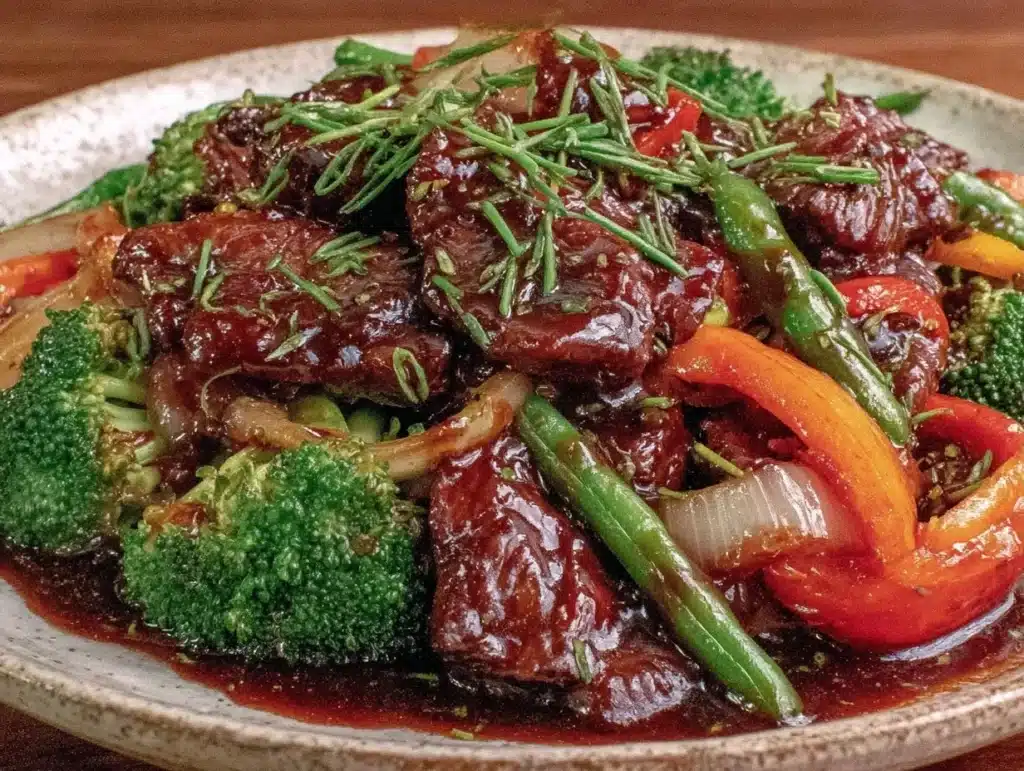
The smell of searing beef hits you before you even see the wok. It’s that specific, mouth-watering aroma of soy, ginger, and hot oil that instantly transports me back to a cramped little stall in Chinatown, years ago. I was standing there, shivering in the rain, watching the chef toss vegetables with a speed that defied physics. I wanted that taste. Not the soggy, bland takeout I’d been ordering for months, but the actual, crispy, vibrant dish I saw on the plate.
Let’s face it, most home cooks struggle with stir-fry. You chop everything, you heat the pan, and then… disaster. The beef steams instead of searing. The veggies turn into mush. The sauce is either too salty or completely non-existent. I’ve been there. I’ve burned garlic. I’ve overcooked broccoli until it was gray and sad. But after dozens of failed attempts, I finally cracked the code.
This Crispy Beef Veggie Stir Fry is my answer to that rainy night. It’s not just a recipe; it’s a lesson in patience and heat management. The key? Getting that beef properly crispy and keeping the vegetables crisp-tender. Honestly, it’s the best way to use up those lingering veggies in your fridge. I’ve tested this over a dozen times, tweaking the marinade and the cornstarch ratios, to bring you a version that actually works in a standard home kitchen. You know, no fancy restaurant equipment required.
I first made this during a particularly busy week when I needed something fast but healthy. It became a staple. It’s perfect for busy families, or anyone who wants a high-protein meal that doesn’t feel like diet food. The combination of savory, sweet, and slightly spicy flavors is addictive. And let’s be real, it is infinitely better with its traditional side: a bowl of fluffy steamed rice to soak up every drop of that glorious sauce.
Why You’ll Love This Recipe
There is a specific kind of magic that happens when you get the Maillard reaction right. It’s the browning of the proteins and sugars that creates complex flavors. This Crispy Beef Veggie Stir Fry is built on that principle. I’ve refined this recipe through trial and error, and I’m confident it’s the best version you’ll make at home. Here is why this dish stands out from the rest:
- Quick & Easy: Once you have your ingredients prepped, this comes together in under 15 minutes. It is perfect for busy weeknights when you’re tired but still want something homemade. The prep is the longest part, and that’s just chopping.
- Simple Ingredients: You likely already have most of these items in your pantry. Soy sauce, cornstarch, garlic, ginger, and your favorite veggies. No fancy grocery trips needed for obscure sauces.
- Perfect for Weeknights: This is the ultimate low-stress dinner. It cooks so fast that you can have it on the table before the delivery driver arrives. Great for potlucks too, if you can keep it hot.
- Crowd-Pleaser: Kids who usually refuse vegetables often eat them when they are coated in this savory sauce. Adults love the tender beef and the crunch. It always gets rave reviews.
- Unbelievably Delicious: The texture combo is next-level. The beef is crispy on the outside and juicy on the inside. The veggies retain their snap. It’s comfort food reimagined—faster, but with the same soul-soothing satisfaction.
What makes this different? It’s the double-coating technique for the beef. Most recipes just toss the meat in cornstarch. I marinate it, coat it, and then often do a quick fry or sear before adding the veggies. This ensures the beef doesn’t get soggy when the sauce hits it. It’s a small step that makes a massive difference in the final texture.
It’s not just good; it’s the kind of meal that makes you close your eyes after the first bite. It’s efficient, flavorful, and deeply satisfying. Perfect for impressing guests without stress, or turning a simple Tuesday dinner into something memorable.
What Ingredients You Will Need
This recipe uses simple, wholesome ingredients to deliver bold flavor and satisfying texture without the fuss. The beauty of stir-fry is its flexibility, but getting the basics right is crucial for that restaurant-quality result. Here is what you need to gather:
- Beef: Sirloin or flank steak works best. These cuts are lean but tender if sliced correctly. Look for beef that is fresh and has a nice marbling, though not too much fat. I prefer buying a larger piece and slicing it myself rather than buying pre-sliced, which can sometimes be too thin.
- Cornstarch: This is the secret weapon. It creates that crispy coating on the beef and helps thicken the sauce. Use potato starch if you prefer, but cornstarch is the standard for a reason.
- Soy Sauce: You will need both regular soy sauce for saltiness and a touch of dark soy sauce for color, if you have it. A good quality soy sauce makes a big difference. I recommend Kikkoman or a gluten-free alternative if needed.
- Vegetables: Broccoli florets, bell peppers (red and green for color), and snap peas are my go-tos. Carrots add sweetness and crunch. Feel free to swap in whatever is in season. In summer, I might add zucchini or sugar snap peas. In winter, bok choy is wonderful.
- Aromatics: Fresh ginger and garlic are non-negotiable. They provide the foundational flavor. Use about a tablespoon of grated ginger and three cloves of minced garlic. Don’t use the jarred stuff; it just doesn’t have the same punch.
- Oil: A high smoke-point oil is essential. Avocado oil or peanut oil works well. Peanut oil adds a nice nutty flavor that complements the Asian profile.
- Sugar: A teaspoon of white or brown sugar balances the saltiness of the soy sauce. It helps with caramelization.
- Chicken Broth: Just a splash to create the sauce volume. You can use vegetable broth for a vegetarian version.
- Sesame Oil: A few drops at the end for that signature nutty aroma. Toasted sesame oil is potent, so a little goes a long way.
For the veggies, I suggest keeping them in uniform sizes so they cook evenly. If your carrots are thick, slice them into thin matchsticks. This ensures everything is ready to eat at the same time.
Equipment Needed
You don’t need a professional kitchen to make this, but having the right tools helps. A large wok is ideal because its shape promotes even cooking and easy tossing. However, a large cast-iron skillet or a wide non-stick pan works perfectly fine. The key is having enough surface area so the beef isn’t crowded. If you overcrowd the pan, the beef steams instead of searing.
I also recommend having a sharp chef’s knife. Slicing beef against the grain is much easier with a sharp blade. A dull knife will tear the meat and make it harder to get thin, even slices. A mixing bowl for marinating the beef is necessary. Small bowls for prepping your sauce ingredients will keep you organized. This is called “mise en place,” and it’s crucial for stir-fry since everything cooks so fast.
If you don’t have a wok, a large skillet is your best friend. Just make sure it’s wide. You might need to cook the beef in two batches if your pan is small. Don’t skip this step. Cooking in batches ensures that crispy texture. I once tried to cook everything at once in a small pan, and the result was a sad, stew-like mess. Learn from my mistake.
Budget-friendly options include using a standard frying pan. Just be patient and cook in batches. A bamboo wok spatula is nice for tossing, but a silicone spatula works too. The goal is to get the heat high and the movement constant.
Preparation Method
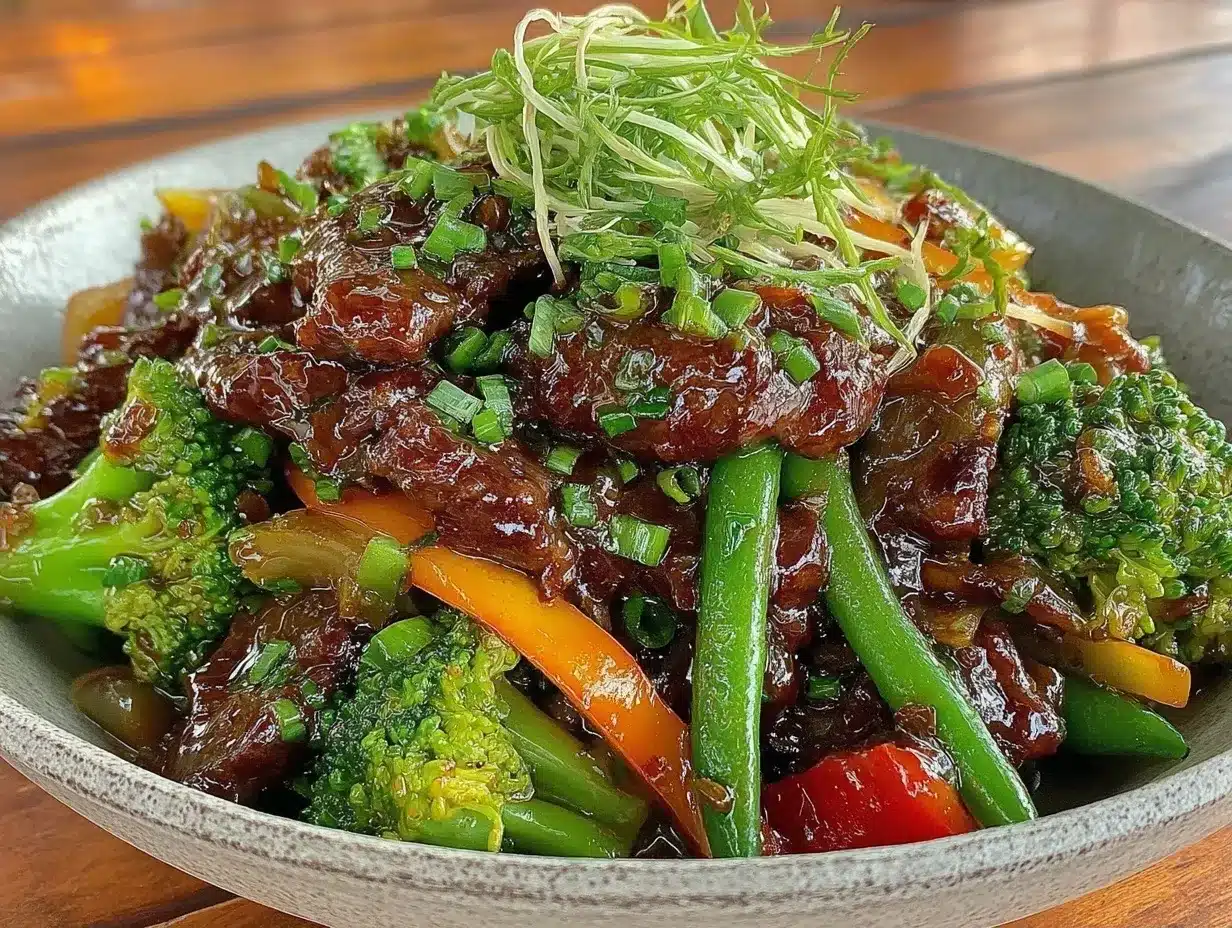
Getting the preparation right is half the battle. Stir-frying is fast, so you need everything ready before you turn on the heat. Here is how to make this Crispy Beef Veggie Stir Fry step by step.
- Prep the Beef: Slice your sirloin or flank steak against the grain into thin, bite-sized strips. This is crucial for tenderness. If you slice with the grain, the beef will be chewy. Place the strips in a bowl. Add one tablespoon of soy sauce, one teaspoon of cornstarch, and a splash of oil. Mix well and let it marinate for at least 15 minutes. This coats the meat and helps it retain moisture.
- Prep the Veggies: Wash and chop your vegetables. Cut broccoli into small florets. Slice bell peppers into strips. Julienne the carrots. If you are using snap peas, trim the ends. Keep everything in separate piles or bowls. This makes it easy to grab what you need quickly.
- Make the Sauce: In a small bowl, whisk together 1/4 cup of chicken broth, 2 tablespoons of soy sauce, 1 tablespoon of oyster sauce (optional, but recommended for depth), 1 teaspoon of sugar, 1 teaspoon of cornstarch, and a pinch of black pepper. Set aside. The cornstarch in the sauce will thicken it as it heats up.
- Heat the Pan: Place your wok or large skillet over high heat. Let it get hot before adding oil. This might take a minute or two. You want the pan to be smoking slightly. Add 1 tablespoon of oil and swirl to coat.
- Sear the Beef: Add the beef strips in a single layer. Do not overcrowd the pan. If you have a small pan, cook in batches. Let the beef sit for about 1 minute without moving it. This allows it to develop a crust. Then, toss and cook for another minute until browned but not fully cooked through. Remove the beef from the pan and set aside on a plate.
- Stir-Fry the Veggies: Add another tablespoon of oil to the same pan. Add the harder vegetables first, like carrots and broccoli. Stir-fry for 2 minutes. Add the bell peppers and snap peas. Cook for another 1-2 minutes until the veggies are crisp-tender. You want them to still have a bite to them.
- Combine and Sauce: Add the garlic and ginger to the veggies and cook for 30 seconds until fragrant. Return the beef to the pan. Give the sauce a stir (the cornstarch settles) and pour it over the beef and veggies. Toss everything together. The sauce will thicken rapidly, in about 30 seconds to a minute.
- Finish and Serve: Remove from heat. Drizzle with 1 teaspoon of toasted sesame oil. Toss one last time. Taste and adjust seasoning if needed. Serve immediately over steamed rice.
The total active time is about 15 minutes. The prep time is about 15 minutes. The result is worth every minute of effort.
Cooking Tips & Techniques
There are a few tricks to mastering stir-fry that I’ve learned the hard way. First, heat is your best friend. You want your pan to be as hot as possible. If your pan isn’t hot enough, the beef will release moisture and boil in its own juices. This prevents the crispy texture you are aiming for. Let your pan get properly hot before adding oil.
Another common mistake is cutting the vegetables too large. If the broccoli florets are huge, they will be raw inside while the outside burns. Cut them small. Uniformity is key for even cooking. Also, don’t skip the “against the grain” rule for beef. It transforms tough cuts into tender bites.
I once burned my garlic because I added it too early. Garlic burns quickly and turns bitter. Always add garlic and ginger towards the end of the vegetable cooking stage, just before adding the sauce. This preserves their fresh flavor.
Multitasking is essential. Have your sauce mixed and ready before you start cooking. Have your veggies chopped. Have your beef marinating. If you start chopping while the pan is hot, you will be stressed. Mise en place is not just a chef’s term; it’s a survival tactic for home cooks.
If you want extra crispiness, you can double-coat the beef. After marinating in the first cornstarch slurry, you can dust the strips with dry cornstarch before searing. This creates a thicker crust. I find this especially helpful if you are using a skillet instead of a wok.
Finally, don’t overcook the veggies. Stir-fry should be vibrant and crisp. If you cook them until they are soft, you lose the texture contrast that makes this dish so enjoyable. Aim for a slight crunch.
Variations & Adaptations
This recipe is very forgiving and adaptable. Here are a few ways to make it your own.
Dietary Changes: For a gluten-free version, use tamari instead of soy sauce and ensure your oyster sauce is gluten-free (or substitute with vegetarian oyster sauce). To make it dairy-free, which it naturally is, just check your oyster sauce for hidden dairy (rare, but possible in some brands). For a vegetarian option, swap the beef for firm tofu or seitan. Press the tofu well to remove moisture, then coat in cornstarch and fry until crispy.
Flavor Twists: Want some heat? Add a teaspoon of chili garlic sauce or a pinch of red pepper flakes to the sauce. For a sweeter profile, increase the sugar or add a tablespoon of hoisin sauce. You can also add a splash of rice vinegar for a tangy kick.
Seasonal Veggies: In the spring, try adding asparagus or snow peas. In the fall, mushrooms like shiitake or button mushrooms add a meaty texture. In the winter, bok choy and napa cabbage work beautifully. Just adjust the cooking time based on the hardness of the vegetable.
Cooking Methods: If you don’t have a wok, a large oven-safe skillet works great. You can even use an air fryer for the beef if you want a lower-fat option, though the texture won’t be quite the same. Cook the beef in the air fryer at 400°F for 5-7 minutes, then toss with the veggies and sauce in the pan.
I personally love adding a handful of cashews or peanuts at the end for added crunch. It adds a nice nutty element that complements the sesame oil. It’s a small change that makes the dish feel more indulgent.
Serving & Storage Suggestions
This dish is best served immediately while the beef is still crispy and the veggies are hot. Serve it over a bed of steamed jasmine rice. The rice is essential for soaking up the savory sauce. I also like to garnish with sliced green onions and a sprinkle of sesame seeds for visual appeal.
For a complete meal, serve with a simple side of steamed broccoli or a cucumber salad. The cool, crisp cucumber contrasts nicely with the hot, savory stir-fry. A cup of hot tea, like jasmine or oolong, is a traditional pairing that helps cleanse the palate.
If you have leftovers, store them in an airtight container in the refrigerator for up to 3 days. The beef may lose some crispiness upon reheating, but the flavors will still be good. To reheat, use a skillet over medium heat with a splash of water to steam the beef back to life. Avoid the microwave if possible, as it can make the beef rubbery. If you must use the microwave, cover it and heat in short intervals.
The flavors actually meld nicely over time, so it tastes great the next day too. Just be aware that the sauce may thicken as it sits. You might need to add a little water when reheating to loosen it up.
Nutritional Information & Benefits
This Crispy Beef Veggie Stir Fry is a balanced meal. The beef provides high-quality protein, which is essential for muscle repair and satiety. The vegetables add fiber, vitamins, and minerals. Broccoli is rich in Vitamin C and K. Bell peppers offer a good dose of Vitamin A and antioxidants.
Using lean cuts of beef like sirloin keeps the fat content moderate. The sauce is relatively low in sugar compared to sweet and sour sauces. However, keep an eye on the sodium content from the soy sauce. You can reduce the sodium by using low-sodium soy sauce or reducing the amount by half and adding a bit more broth.
This meal is naturally gluten-free if you use tamari. It is also dairy-free. For those watching carbs, you can serve it over cauliflower rice instead of regular rice. I find that eating a meal like this keeps me energized without the afternoon slump that comes from heavy, carb-only meals. It’s a wholesome, satisfying option.
Conclusion
Making Crispy Beef Veggie Stir Fry at home is easier than you think. It brings the taste of a restaurant to your table without the wait or the grease. The key is in the prep and the heat. Once you master the technique, you’ll be making this regularly. It’s a versatile dish that lets you use up what you have while delivering big flavor.
I hope you try this recipe. Don’t be afraid to experiment with the veggies and sauces to find your favorite combination. I love hearing how you adapt recipes to suit your taste. Please leave a comment below with your variations or questions. Share your photos on social media and tag me—I’d love to see your creations.
Happy cooking! And remember, it’s always better with its traditional side. Grab that rice cooker and get those grains steaming. You’re going to love this meal.
Frequently Asked Questions
Can I use frozen vegetables for this stir-fry?
Yes, you can use frozen vegetables, but they will release more water. It’s best to thaw them and pat them dry before adding them to the pan. This prevents the stir-fry from becoming watery. Fresh vegetables are preferred for the best texture, but frozen works in a pinch.
What cut of beef is best for stir-fry?
Sirloin and flank steak are the best choices. They are tender and flavorful. You can also use ribeye, but it is fattier. Avoid tough cuts like chuck roast unless you marinate them for a long time and cook them slowly, which isn’t ideal for quick stir-fry.
How do I keep the beef crispy?
The key is to sear the beef in a hot pan without overcrowding. Cook it in batches if necessary. Also, coat the beef in cornstarch before cooking. This creates a barrier that keeps the meat juicy and adds a crispy exterior. Add the beef back to the pan only at the end to coat it in sauce briefly.
Can I make the sauce ahead of time?
Yes, you can mix the sauce ingredients in advance and store it in the fridge. Just remember to whisk it well before using, as the cornstarch will settle at the bottom. This saves time during the actual cooking process.
What can I serve with this stir-fry besides rice?
While steamed rice is traditional, you can serve it over noodles, quinoa, or cauliflower rice. A side salad or steamed greens also pair well. The goal is to have something to soak up the delicious sauce.
Pin This Recipe!
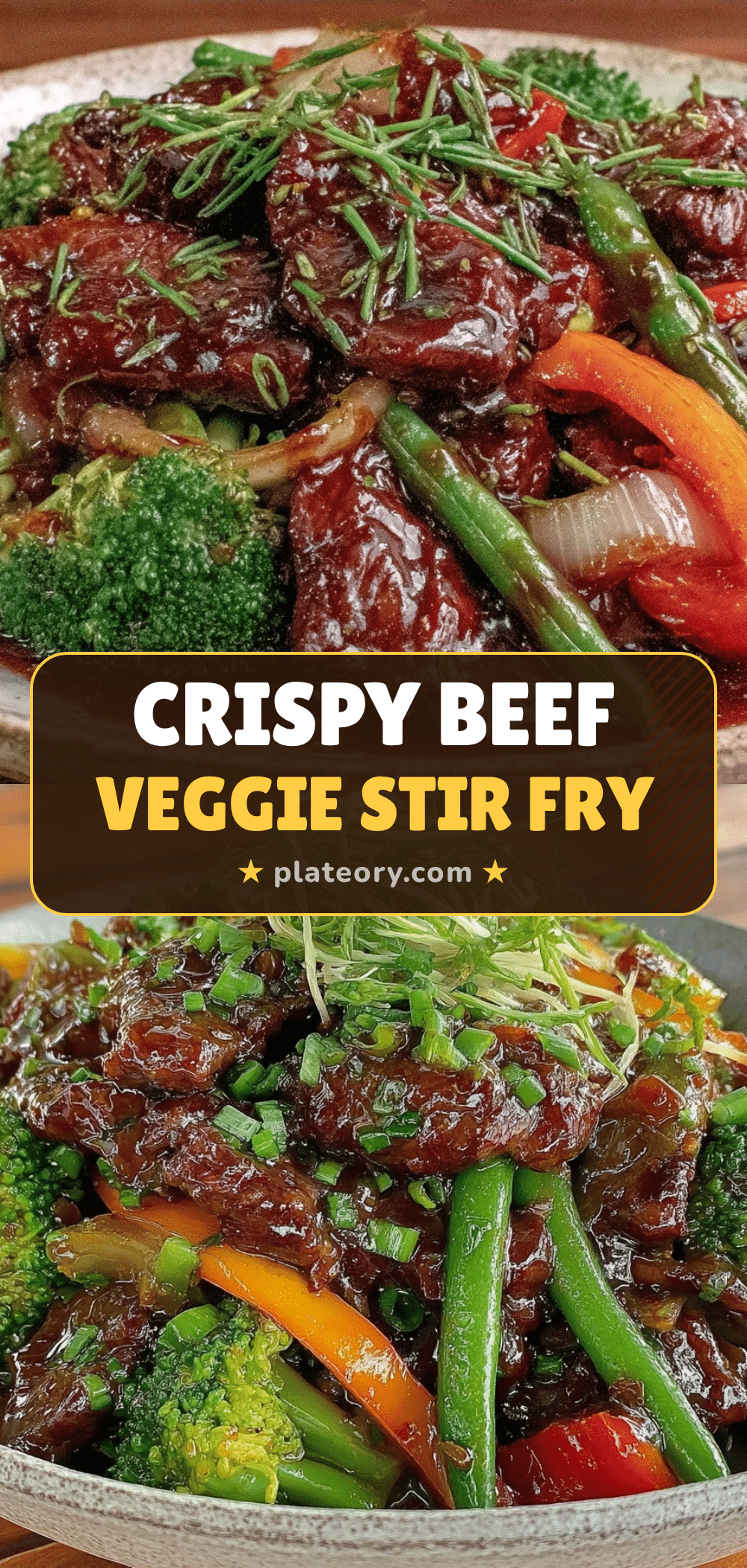

Crispy Beef Veggie Stir Fry
- Total Time: 30 minutes
- Yield: 4 servings 1x
Description
A quick and easy weeknight dinner featuring seared sirloin beef coated in cornstarch for extra crispiness, tossed with crisp-tender vegetables in a savory soy-ginger sauce. Best served over steamed rice.
Ingredients
- 1 lb sirloin or flank steak, sliced against the grain into thin strips
- 1 tbsp soy sauce (for marinade)
- 1 tsp cornstarch (for marinade)
- 1 tbsp oil (for searing beef)
- 1 tbsp oil (for stir-frying veggies)
- 1 head broccoli, cut into small florets
- 2 bell peppers (red and green), sliced into strips
- 2 carrots, julienned
- 1 cup snap peas, trimmed
- 3 cloves garlic, minced
- 1 tbsp fresh ginger, grated
- 1/4 cup chicken broth (or vegetable broth)
- 2 tbsp soy sauce (for sauce)
- 1 tbsp oyster sauce (optional)
- 1 tsp sugar
- 1 tsp cornstarch (for sauce)
- Pinch of black pepper
- 1 tsp toasted sesame oil
- Steamed jasmine rice, for serving
Instructions
- Slice the beef against the grain into thin strips. In a bowl, mix with 1 tbsp soy sauce, 1 tsp cornstarch, and a splash of oil. Marinate for at least 15 minutes.
- Wash and chop vegetables: broccoli into florets, bell peppers into strips, carrots into matchsticks, and trim snap peas. Keep them in separate piles.
- In a small bowl, whisk together 1/4 cup chicken broth, 2 tbsp soy sauce, 1 tbsp oyster sauce, 1 tsp sugar, 1 tsp cornstarch, and black pepper. Set aside.
- Heat a wok or large skillet over high heat until smoking. Add 1 tbsp oil and swirl to coat.
- Add beef strips in a single layer (cook in batches if necessary). Sear for 1 minute without moving, then toss and cook for another minute until browned. Remove beef and set aside.
- Add another tbsp of oil to the pan. Add carrots and broccoli, stir-frying for 2 minutes. Add bell peppers and snap peas, cooking for another 1-2 minutes until crisp-tender.
- Add garlic and ginger to the veggies, cooking for 30 seconds until fragrant. Return beef to the pan.
- Stir the sauce mixture and pour it over the beef and veggies. Toss constantly until the sauce thickens (30-60 seconds).
- Remove from heat, drizzle with toasted sesame oil, and toss one last time. Serve immediately over steamed rice.
Notes
Slice beef against the grain for tenderness. Do not overcrowd the pan when searing beef to ensure crispiness rather than steaming. Use high smoke-point oil like avocado or peanut oil. For extra crispiness, double-coat the beef with cornstarch. Serve immediately for best texture.
- Prep Time: 15 minutes
- Cook Time: 15 minutes
- Category: Main Course
- Cuisine: Asian
Nutrition
- Serving Size: 1 plate with rice
- Calories: 450
- Sugar: 8
- Sodium: 900
- Fat: 18
- Saturated Fat: 5
- Carbohydrates: 25
- Fiber: 4
- Protein: 35
Keywords: beef stir fry, crispy beef, quick dinner, weeknight meals, healthy stir fry, soy sauce, ginger, garlic, wok cooking, high protein