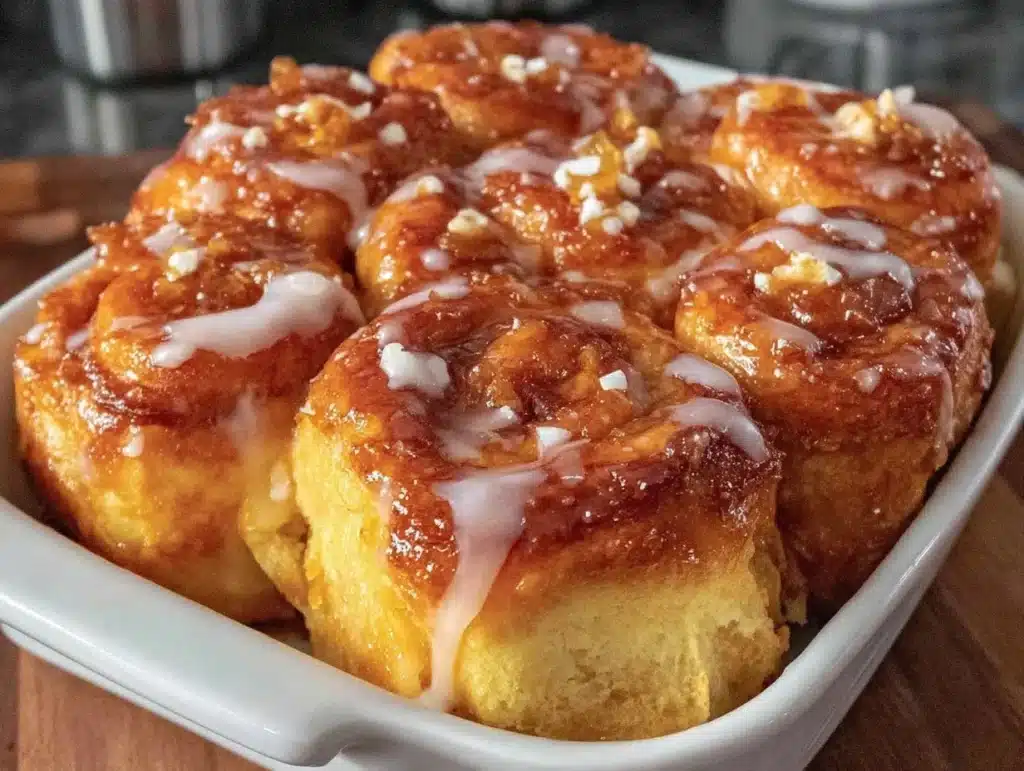
There is a specific kind of magic that happens when the scent of blooming citrus hits a warm kitchen. It’s not just about breakfast; it’s about waking up your entire soul. I remember the first time I made these rich orange rolls with sour cream glaze. It was a particularly gray Sunday in late February, the kind where the winter chill feels like it has settled into your bones. I was craving something that felt like a hug in food form, but lighter than a traditional brioche.
I had seen many recipes for orange sweet rolls, but they always felt too dense or the glaze was just sweet sugar water. I wanted something with tang, something that could cut through the richness of the dough. That’s when I decided to swap out the traditional milk or buttermilk for sour cream in the dough itself. Honestly, it was a risky move at first, but let’s face it, some of the best culinary discoveries come from happy accidents. The result was a roll that was impossibly soft, with a citrus flavor that didn’t just sit on the surface but permeated every flake of the pastry.
As someone who has spent years testing yeast doughs in every corner of my kitchen, I can tell you that this recipe is the gold standard. After tweaking the hydration levels and the zest-to-pulp ratio over a dozen iterations, I landed on a version that is foolproof. Whether you are a beginner baker or a seasoned pro, these rich orange rolls with sour cream glaze will become your weekend staple. They offer that perfect balance of sweet, tangy, and buttery comfort that makes mornings feel special again. You know how sometimes you find a recipe that just sticks? This is one of those. It’s the kind of dish that makes you want to invite friends over, or just sit quietly with a hot cup of coffee and enjoy the silence.
Why You’ll Love This Recipe
Let’s be real for a moment. Baking bread at home can feel like a chore. It requires time, patience, and a bit of luck with your yeast. But these rich orange rolls with sour cream glaze change the game entirely. The secret lies in the sour cream, which I’ve found after years of trial and error to be the ultimate tenderizer for yeast doughs. It adds a subtle tang that balances the heavy sweetness of the orange filling, creating a complex flavor profile that feels sophisticated yet incredibly approachable. You won’t find this combination in your average bakery, which is exactly why you need to make them at home.
Here is why this recipe stands out from the crowd:
- Unmatched Texture: The sour cream in the dough creates a crumb that is incredibly soft and fluffy, yet holds its shape. It’s not gummy, and it’s not dry. It’s just right.
- Bold, Real Orange Flavor: We use both fresh zest and a bit of juice in the filling. This ensures the orange flavor is vibrant and not muted by the baking process. It tastes like a sunny day.
- Tangy Glaze Perfection: Unlike standard powdered sugar glazes that are just sweet, the sour cream in the glaze adds a creamy, tangy finish that mimics a cream cheese frosting but with a lighter mouthfeel.
- Make-Ahead Friendly: You can assemble these the night before and let them rise in the fridge overnight. This is a lifesaver for busy mornings when you want bakery-quality results without the early wake-up call.
- Comfort Food Reimagined: These rolls hit that sweet spot between a dessert and a breakfast item. They are perfect for holiday brunches, but also great for a lazy Saturday treat.
What makes this recipe truly special is the emotional connection it brings. There is something deeply satisfying about pulling a pan of golden, fragrant rolls out of the oven. The kitchen fills with the scent of oranges and yeast, and suddenly, the stress of the week melts away. It’s not just food; it’s a moment of peace. I’ve served these to picky eaters and gourmet critics alike, and they all ask for the recipe. It’s the kind of dish that brings people together, sparking conversation and shared joy around the table.
What Ingredients You Will Need
Building the perfect rich orange roll starts with understanding the role each ingredient plays. We aren’t just throwing things in a bowl; we are creating a structure. The sour cream is the star here, providing moisture and acidity that tenderizes the gluten in the flour. This results in a dough that is easy to work with and yields a tender crumb. The orange elements are not just for decoration; they provide the aromatic oils that define the flavor profile. Using high-quality ingredients makes a noticeable difference, especially with the zest and the dairy.
For the Dough
- All-Purpose Flour: 3 ½ cups (420g). I recommend using a brand like King Arthur, as it has a consistent protein content which helps with structure. You can also use bread flour for a chewier texture, but all-purpose is ideal for this soft roll.
- Sour Cream: 1 cup (240g). Use full-fat sour cream. This is non-negotiable for the best texture. Low-fat versions will make the dough dry and tough.
- Granulated Sugar: ½ cup (100g). This feeds the yeast and adds sweetness. Brown sugar can be used for a deeper flavor, but white sugar keeps the crumb light.
- Unsalted Butter: ½ cup (113g), softened. This adds richness and helps with the browning. Make sure it is room temperature so it incorporates easily.
- Eggs: 2 large eggs, room temperature. Eggs add structure and richness. Room temperature eggs emulsify better into the dough.
- Yeast: 2 ¼ teaspoons (one packet) of active dry yeast or instant yeast. I prefer active dry for this recipe as it allows you to proof it first to ensure it’s alive.
- Salt: 1 teaspoon. Salt is crucial for flavor and controlling yeast activity.
- Milk: ½ cup (120ml), warm. Just enough to help hydrate the dough and activate the yeast.
For the Orange Filling
- Butter: ½ cup (113g), softened. This acts as the glue for the filling.
- Granulated Sugar: 1 cup (200g). This creates the sticky, caramelized bottom of the rolls.
- Orange Zest: 2 tablespoons, freshly grated. Use organic oranges if possible to avoid pesticide residue on the peel.
- Orange Juice: 2 tablespoons, fresh squeezed. This intensifies the citrus flavor within the layers.
For the Sour Cream Glaze
- Confectioners’ Sugar: 1 ½ cups (180g). Sifted to remove lumps.
- Sour Cream: 3 tablespoons (45g). Full-fat again for that creamy tang.
- Vanilla Extract: 1 teaspoon. Pure vanilla enhances the orange flavor.
- Orange Juice: 1-2 teaspoons, as needed. Adjust for consistency.
Equipment Needed
You don’t need a fancy kitchen to make these rolls, but having the right tools makes the process much smoother. A large mixing bowl is essential, preferably one that is wide enough to knead the dough by hand if you choose not to use a mixer. An electric stand mixer with a dough hook is highly recommended, as it saves a lot of arm strength. If you are kneading by hand, a clean, flat surface like a marble countertop or a large wooden board works best.
You will need a 9×13 inch baking dish. Glass or ceramic is preferred because it retains heat well, helping the rolls bake evenly. A pastry brush is useful for brushing any melted butter if you choose to add it, though the filling butter usually suffices. A zester or fine grater is necessary for getting the orange zest without the bitter white pith. Finally, a spatula is needed for mixing the glaze to a smooth consistency. I also recommend using a kitchen scale for measuring flour, as it is much more accurate than cups and prevents the dough from becoming too dry.
Preparation Method
Getting these rich orange rolls with sour cream glaze started requires a bit of planning, but the steps are straightforward. First, you need to prepare the dough. In a large bowl, combine the warm milk, sugar, and yeast. Let it sit for about 5-10 minutes until it becomes foamy. This step ensures your yeast is active. If it doesn’t foam, your yeast might be old, and you should start over.
Next, add the softened butter, eggs, sour cream, and salt to the yeast mixture. Mix until combined. Then, gradually add the flour. If using a stand mixer, use the dough hook on low speed. If kneading by hand, add the flour a cup at a time. Knead the dough for about 7-10 minutes until it is smooth and elastic. It should pass the windowpane test, meaning you can stretch a small piece thin enough to see light through it without tearing. Place the dough in a lightly oiled bowl, cover it with plastic wrap or a damp towel, and let it rise in a warm place for 1-2 hours, or until doubled in size.
While the dough rises, prepare the filling. In a small bowl, mix the softened butter, sugar, orange zest, and orange juice until it resembles wet sand. Once the dough has risen, punch it down to release air. Roll it out on a floured surface into a large rectangle, approximately 12×16 inches. Spread the filling evenly over the dough, leaving a small border at the edges. Starting from the long side, roll the dough up tightly into a log. Pinch the seam to seal.
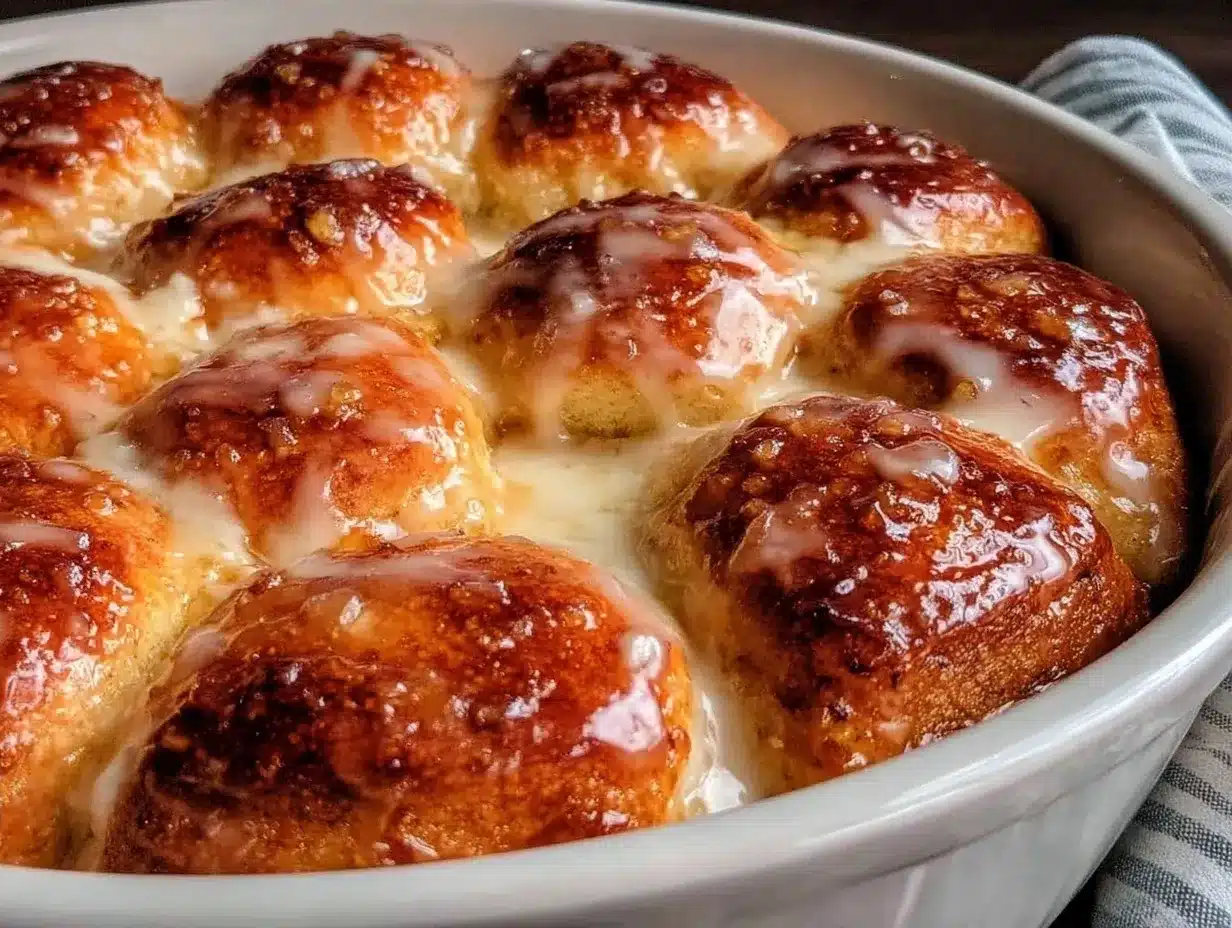
Cut the log into 12 equal pieces. You can use a sharp knife, dental floss, or a bench scraper for clean cuts. Place the rolls in your greased 9×13 inch baking dish, leaving a little space between them for expansion. Cover and let them rise again for 30-45 minutes until puffy. Preheat your oven to 350°F (175°C). Bake the rolls for 25-30 minutes until they are golden brown and cooked through. While they cool slightly, mix the glaze ingredients until smooth. Drizzle the glaze over the warm rolls. Serve immediately for the best experience.
Cooking Tips & Techniques
There are a few tricks I’ve learned along the way to ensure these rolls turn out perfectly every time. One common mistake is over-flouring the dough. It’s tempting to add more flour to stop sticking, but this leads to dense rolls. Trust the dough; it should be slightly tacky but not sticky. If it sticks to your hands, wet them instead of adding more flour. Another tip is to ensure your liquid ingredients are at the correct temperature. If the milk is too hot, it will kill the yeast. If it’s too cold, the yeast won’t activate. Aim for around 110°F (43°C).
When rolling the dough, make sure the rectangle is even. Uneven thickness will result in rolls that bake at different rates. Also, when cutting the rolls, try to do it in one smooth motion. Sawing back and forth can compress the layers, making the rolls dense. For the glaze, taste it before drizzling. If the rolls are very sweet, you might want to add a pinch more salt or a splash more orange juice to balance it. Remember, the glaze should be thick enough to coat the back of a spoon but thin enough to drizzle easily.
Variations & Adaptations
While the classic orange flavor is delicious, there are many ways to adapt this recipe to suit your tastes or dietary needs. For a gluten-free version, you can use a 1:1 gluten-free flour blend, but note that the texture may be slightly different. Adding a pinch of xanthan gum can help with elasticity. For a dairy-free option, substitute the sour cream with dairy-free yogurt and use vegan butter. The flavor will still be great, though the tang might be slightly different.
If you want to change the flavor profile, try adding a layer of cream cheese to the filling before rolling. This creates a swirl of tangy cream cheese throughout the roll. You can also add a handful of dried cranberries or chopped pecans to the filling for extra texture and flavor. For a spiced variation, add a teaspoon of ground cinnamon or cardamom to the sugar mixture. These small changes can make the recipe feel entirely new while keeping the core technique intact.
Serving & Storage Suggestions
These rich orange rolls with sour cream glaze are best served warm, right after the glaze has been drizzled. They pair beautifully with a hot cup of coffee or a glass of fresh orange juice. For a brunch spread, they complement savory items like bacon or scrambled eggs well, providing a sweet contrast. If you have leftovers, store them in an airtight container at room temperature for up to two days. For longer storage, freeze the baked rolls (without glaze) in a freezer-safe bag for up to three months. Reheat them in the microwave for 20-30 seconds or in the oven at 300°F for 10 minutes. You can add fresh glaze after reheating for a bakery-fresh taste.
Nutritional Information & Benefits
While these rolls are a treat, they do offer some nutritional benefits. The sour cream adds calcium and protein, which helps balance the carbohydrates from the flour and sugar. The use of fresh orange zest provides vitamin C and antioxidants. However, due to the sugar and butter content, these rolls are best enjoyed in moderation. One roll contains approximately 350-400 calories, depending on the size and glaze. They are not gluten-free or dairy-free by default, so those with allergies should stick to the variations mentioned earlier. As a home cook, I believe in enjoying food mindfully, and these rolls are a perfect example of a special occasion breakfast that is worth the indulgence.
Conclusion
Making rich orange rolls with sour cream glaze is more than just baking; it’s an act of love for your taste buds. The combination of soft, tangy dough and bright citrus filling creates a breakfast experience that is hard to beat. I hope this recipe brings joy to your kitchen and creates new memories with your family and friends. Don’t be afraid to experiment with the variations or adjust the sweetness to your liking. Share your results with me, and let me know how they turned out. Happy baking!
Frequently Asked Questions
Can I use instant yeast instead of active dry yeast?
Yes, you can use instant yeast directly in the dough without proofing it first. You may need to reduce the rising time slightly, so keep an eye on the dough’s volume.
Why are my rolls dense?
Dense rolls are often caused by over-flouring the dough or not letting them rise long enough. Ensure you are measuring flour correctly and allow the dough to double in size before baking.
Can I make the dough ahead of time?
Absolutely. After the first rise, you can punch down the dough, roll it, cut it, and place it in the pan. Cover it and refrigerate overnight. In the morning, let it come to room temperature and rise for 30-45 minutes before baking.
How do I get the orange flavor to be stronger?
Use the zest of two large organic oranges and add a bit more orange juice to the filling. You can also add a teaspoon of orange extract to the dough for an extra boost.
Can I freeze the glazed rolls?
It’s best to freeze the rolls without the glaze. Glaze can become soggy or separate when frozen and thawed. Add fresh glaze after you reheat the frozen rolls.
Pin This Recipe!


Rich Orange Rolls With Sour Cream Glaze
- Total Time: 2 hours 15 minutes
- Yield: 12 servings 1x
Description
Impossibly soft, tangy orange rolls made with sour cream in the dough and glaze, featuring a vibrant citrus filling and a creamy, sweet finish.
Ingredients
- 3 ½ cups (420g) All-Purpose Flour
- 1 cup (240g) Full-fat Sour Cream
- ½ cup (100g) Granulated Sugar
- ½ cup (113g) Unsalted Butter, softened
- 2 large Eggs, room temperature
- 2 ¼ teaspoons Active Dry Yeast
- 1 teaspoon Salt
- ½ cup (120ml) Warm Milk
- ½ cup (113g) Butter, softened (for filling)
- 1 cup (200g) Granulated Sugar (for filling)
- 2 tablespoons Orange Zest, freshly grated
- 2 tablespoons Orange Juice, fresh squeezed (for filling)
- 1 ½ cups (180g) Confectioners’ Sugar, sifted (for glaze)
- 3 tablespoons (45g) Full-fat Sour Cream (for glaze)
- 1 teaspoon Vanilla Extract
- 1–2 teaspoons Orange Juice (for glaze consistency)
Instructions
- In a large bowl, combine warm milk, sugar, and yeast. Let sit for 5-10 minutes until foamy.
- Add softened butter, eggs, sour cream, and salt to the yeast mixture. Mix until combined.
- Gradually add flour. Knead for 7-10 minutes until smooth and elastic (passing the windowpane test).
- Place dough in a lightly oiled bowl, cover, and let rise in a warm place for 1-2 hours until doubled.
- While dough rises, mix softened butter, sugar, orange zest, and orange juice for the filling.
- Punch down risen dough and roll out into a 12×16 inch rectangle.
- Spread filling evenly over dough, leaving a border. Roll tightly into a log and pinch seam to seal.
- Cut log into 12 equal pieces and place in a greased 9×13 inch baking dish.
- Cover and let rise again for 30-45 minutes until puffy.
- Preheat oven to 350°F (175°C). Bake rolls for 25-30 minutes until golden brown.
- Mix glaze ingredients until smooth. Drizzle over warm rolls and serve immediately.
Notes
Ensure liquid ingredients are around 110°F (43°C) to activate yeast without killing it. Do not over-flour the dough; it should be slightly tacky. For make-ahead, assemble the night before and let rise in the fridge overnight. Freeze baked rolls without glaze for up to three months.
- Prep Time: 45 minutes
- Cook Time: 30 minutes
- Category: Breakfast
- Cuisine: American
Nutrition
- Serving Size: 1 roll
- Calories: 375
- Sugar: 32
- Sodium: 280
- Fat: 12
- Saturated Fat: 7
- Carbohydrates: 58
- Fiber: 1
- Protein: 6
Keywords: orange rolls, sour cream glaze, homemade breakfast, yeast dough, citrus baking, weekend brunch